

Rosewood Court
Project Details
Product List:
Project Type:


Get Full Story:
Other Project Details:
- Solarban® 60 Optiblue® Glass (Formerly Solarban® z50 Glass)
Location:
2101 Cedar Springs, Dallas, Texas, 75201
Project Credits

Architect:
HKS, Inc.

Glass Fabricator:
Trulite Glass and Aluminum Solutions

Glazing Contractor:
Oak Cliff Glass

Owner/Developer:
Rosewood Property Company

Photography:
Dallas Visual Design
Project Background
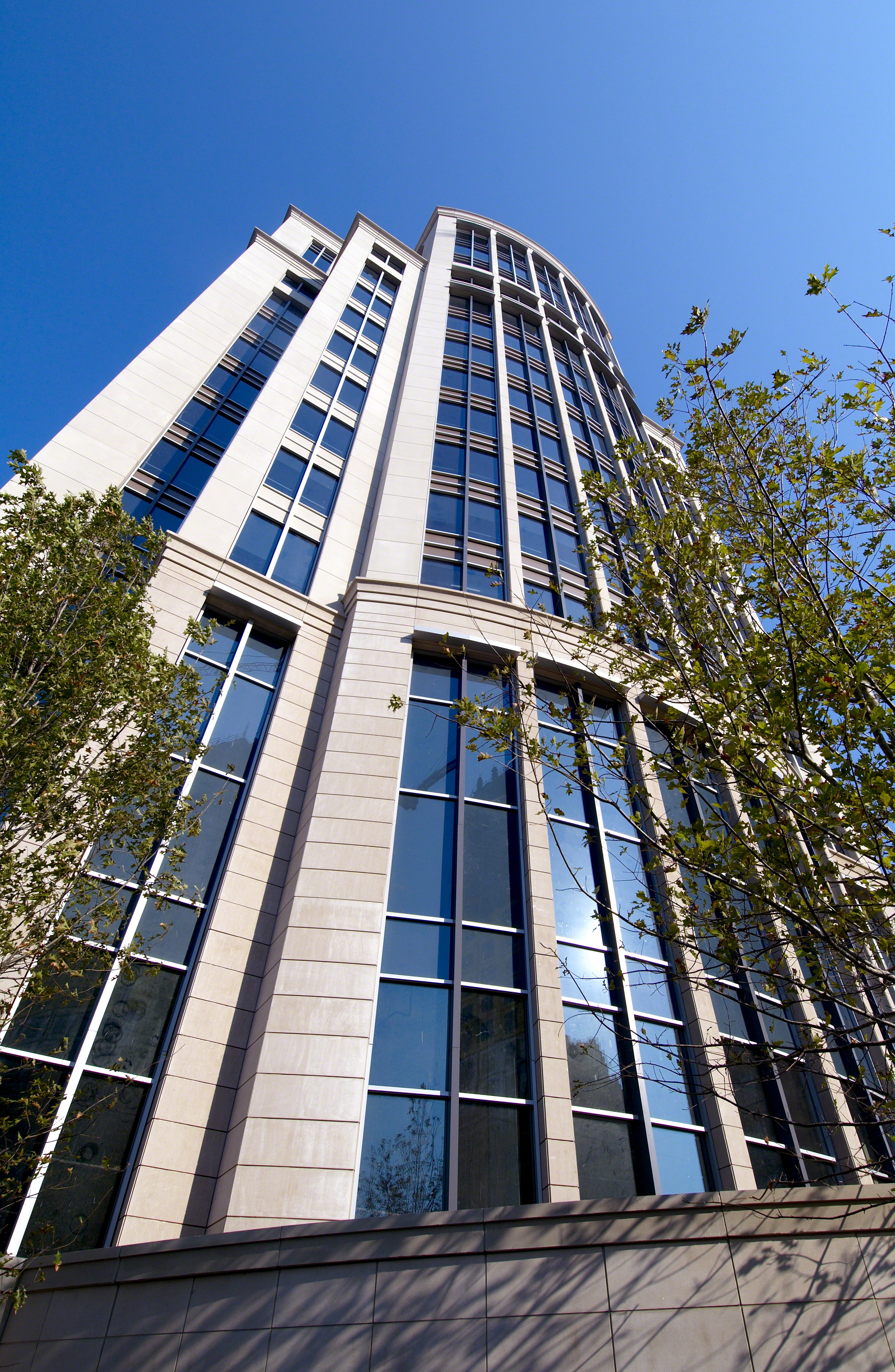
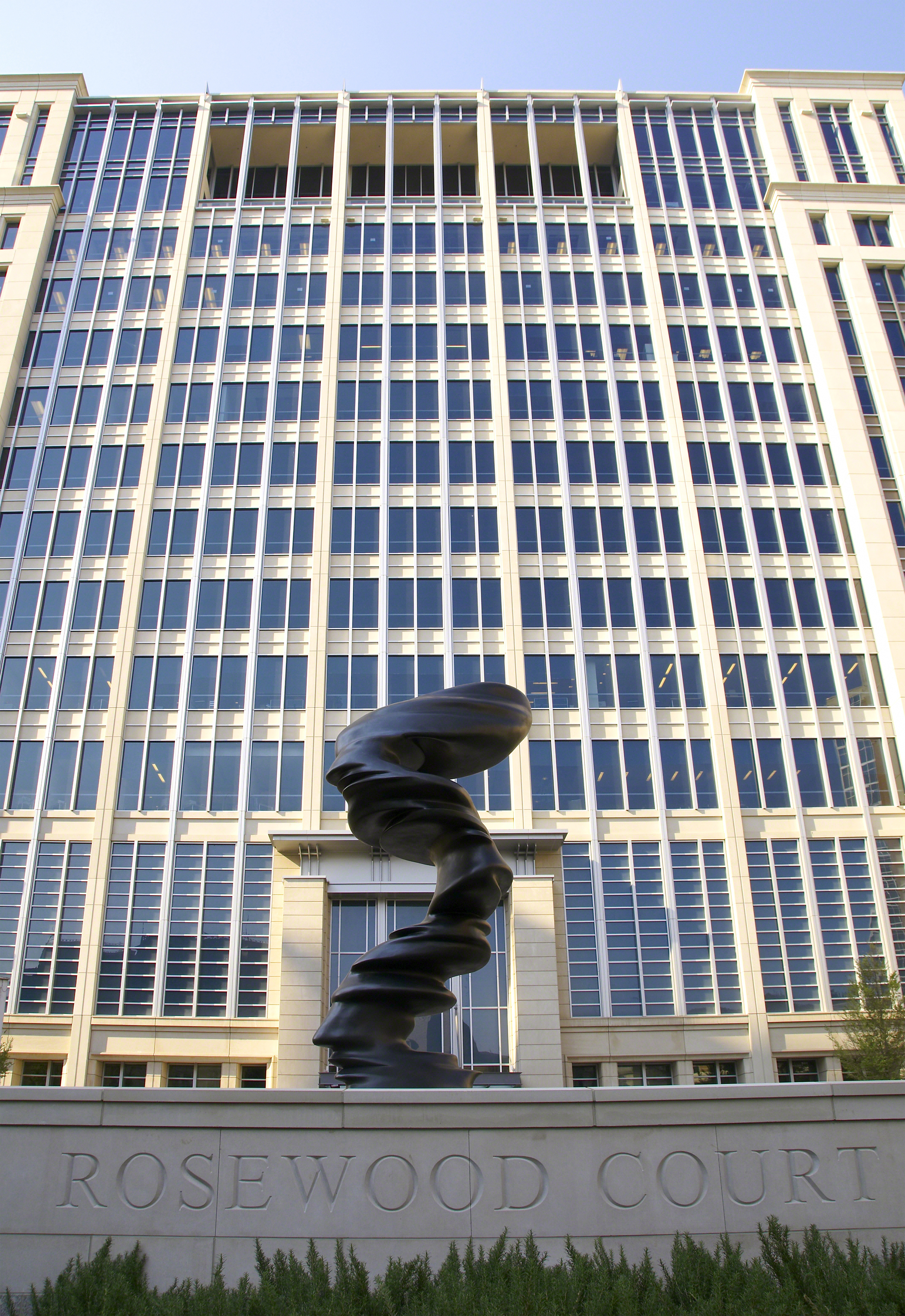
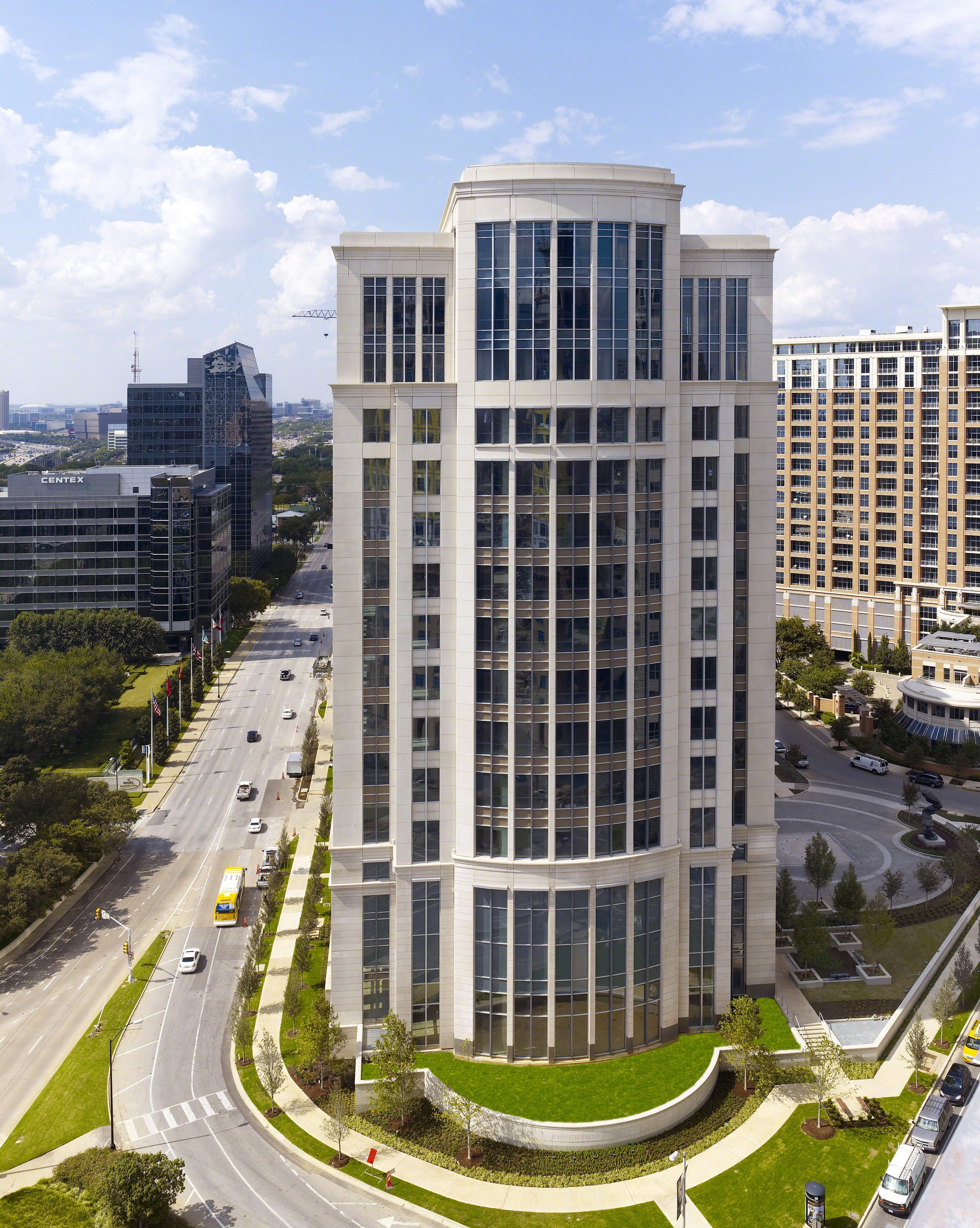
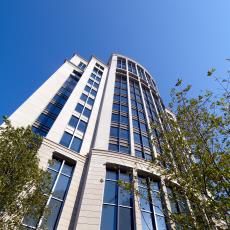
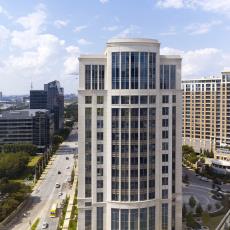
Located on 12 acres in Dallas’ prestigious Uptown neighborhood, Rosewood Court is the cornerstone of a mixed-used development containing more than 2,000 residential units, 30,000 square-feet of retail space and 400,000 square-feet of office space.
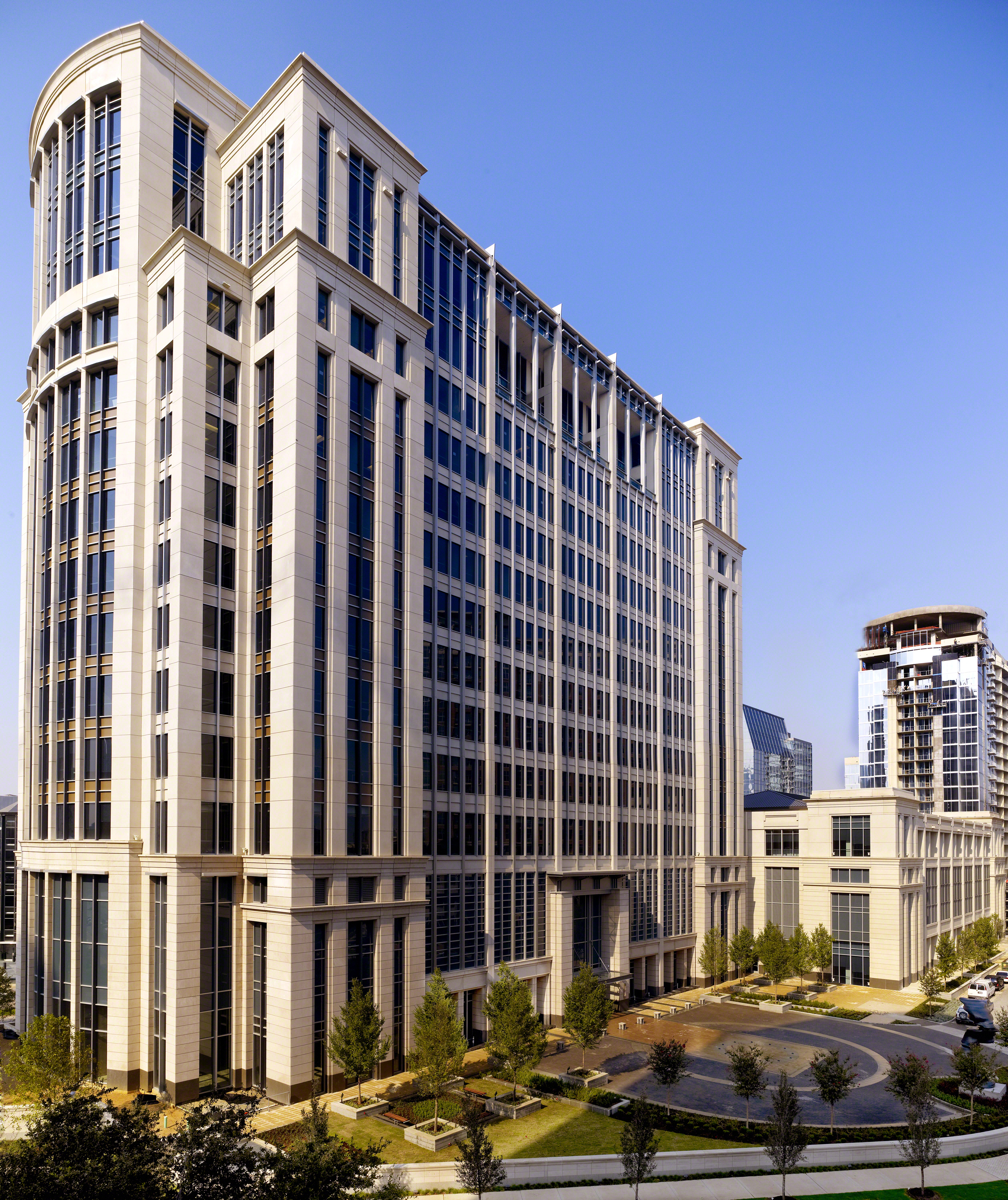
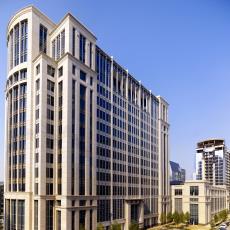
HKS, Inc., of Dallas designed the 19-story structure in a stark, neoclassical style to complement the two architectural landmarks that flank it. The first, Crescent Office Towers, is a trio of buildings designed by Phillip Johnson and known for their signature mansard roofs and filigreed grillwork. The other is Richard Keating’s International Center, a collection of prestigious glass and steel high-rises with office space and exclusive residences.
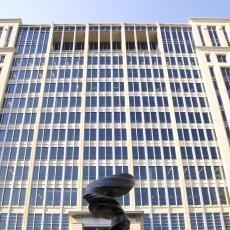
Rosewood Court takes it cues from these buildings by elegantly mingling classical building proportions with contemporary features and detailing. This is especially evident in the building’s façade, which balances the sturdiness of Indiana limestone with a light fretwork of window openings that frame Solarban® 60 Optiblue® (formerly Solarban® z50) glass by Vitro Architectural Glass (formerly PPG glass).
Gregory A. Oehlers, national architectural manager for Vitro America, the building’s glazing contractor, said that he, development manager Steve Meloncon, and project architect Clifford Horsak, senior vice president, HKS, Inc., selected Solarban® 60 Optiblue® glass for Rosewood Court after creating full-sized mock-ups of the building with several different types of glass.
Oehlers said Solarban® 60 Optiblue® glass emerged as “the clear winner” because of its stylish blue-gray tint and unparalleled combination of high visible light transmittance and low exterior reflectance. “Solarban® 60 Optiblue® [glass] was hands down the best fit from a color and performance standpoint,” he explained. “There was no doubt in my mind that it would prove to be the product of choice after I viewed the full-sized mock-up. The project architect and developer obviously felt the same.”
Horsak agreed, saying that “through the mock-up and aesthetically [Solarban® 60 Optiblue® glass] has proven to be a lovely glass.” He added that the glazing was specified for more than just its good looks. He wanted exceptional environmental performance as well.
“Rosewood Court is applying for LEED® certification,” Horsak explained. “Solarban® 60 Optiblue® glass helped us to qualify for LEED points because of its energy efficiency and regional sourcing.”
In a standard 1-inch insulating glass unit, Solarban® 60 Optiblue® glass balances visible light transmittance (VLT) of 51 percent with a solar heat gain coefficient (SHGC) of 0.31.
The resulting light to solar gain (LSG) ratio of 1.64 is up to 30 percent better than similarly tinted architectural glasses. Solarban® 60 Optiblue® glass also had the advantage of being sourced from the glazing contractor’s Wichita Falls glass-making facility, about 150 miles northwest of Dallas.
A digital building energy management system, energy-efficient lighting and fresh air ventilating units providing 95 percent filtered air are other sustainable building features associated with Rosewood Court.
So far, Horsak reports, the Solarban® 60 Optiblue® glass has held up its end of the LEED responsibilities. “The glass has been monitored by an outside source and proven to meet our energy expectation standards,” he said.
Even more importantly, thanks to its good looks and prestigious location, Rosewood Court is filling up fast. “We’ve gotten rave reviews from our clients,” Horsak adds. “The building is already 70 percent leased withless than a full year on the market.”